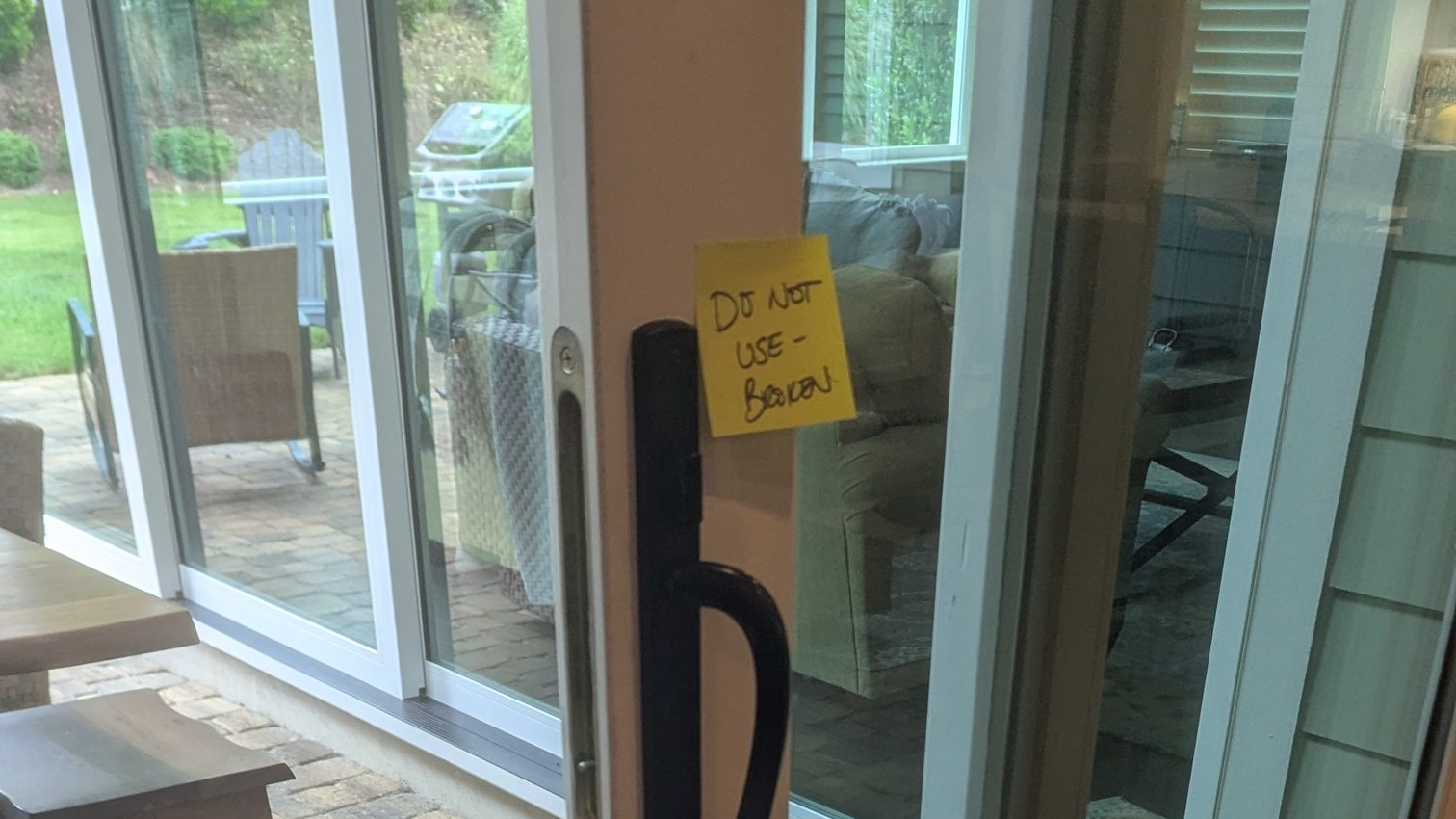
Most people who call us think the whole door is shot. Nine times out of ten it isn't. What you've got is a slab of glass and aluminum, somewhere between 150 and 250 pounds of it, riding on four little wheels. When something goes wrong it's the rollers, the track, or the lock. Work out which of the three and you already know roughly what you're in for.
Find your symptom below and start there.
Quick Symptom Chart
| What your door is doing | Most likely cause | Typical repair |
|---|---|---|
| Hard to open or hard to close | Worn or seized rollers | Roller replacement |
| Drags or scrapes along the bottom | Collapsed rollers, panel sitting on track | Rollers + track inspection |
| Sticks halfway / only opens partway | Dented track or debris in the channel | Track repair or capping |
| Came off track / jumped the track | Failed roller or bent track lip | Reseat panel, replace rollers |
| Crooked, leaning, gap at the top | Uneven roller height, panel out of square | Roller replacement + alignment |
| Grinding, squeaking, rumbling | Roller bearings failing | Roller replacement |
| Won't lock or won't latch | Broken lock or misaligned keeper | Lock replacement or realignment |
| Won't stay closed | Panel out of plumb, worn interlock | Alignment + hardware |
Tap a symptom to jump to it.
Sliding Door Hard To Open, Stuck, Or Dragging
Why your sliding glass door is hard to open
This is the call we get most, and it's the rollers. Under the panel sit two or four little wheel assemblies with sealed bearings inside them. They don't last forever. The bearings dry out, they rust, or the wheel goes flat under weight it's been carrying for fifteen years. Once they stop turning the door isn't rolling anymore. It's dragging. Aluminum on aluminum. That's why a door you used to move with one finger now takes a shoulder.
Pay attention to how it started. If the door went heavy to open over a few months, that's wear and it's rollers. If it locked up on you overnight, something is probably lodged in the track or a roller came apart.
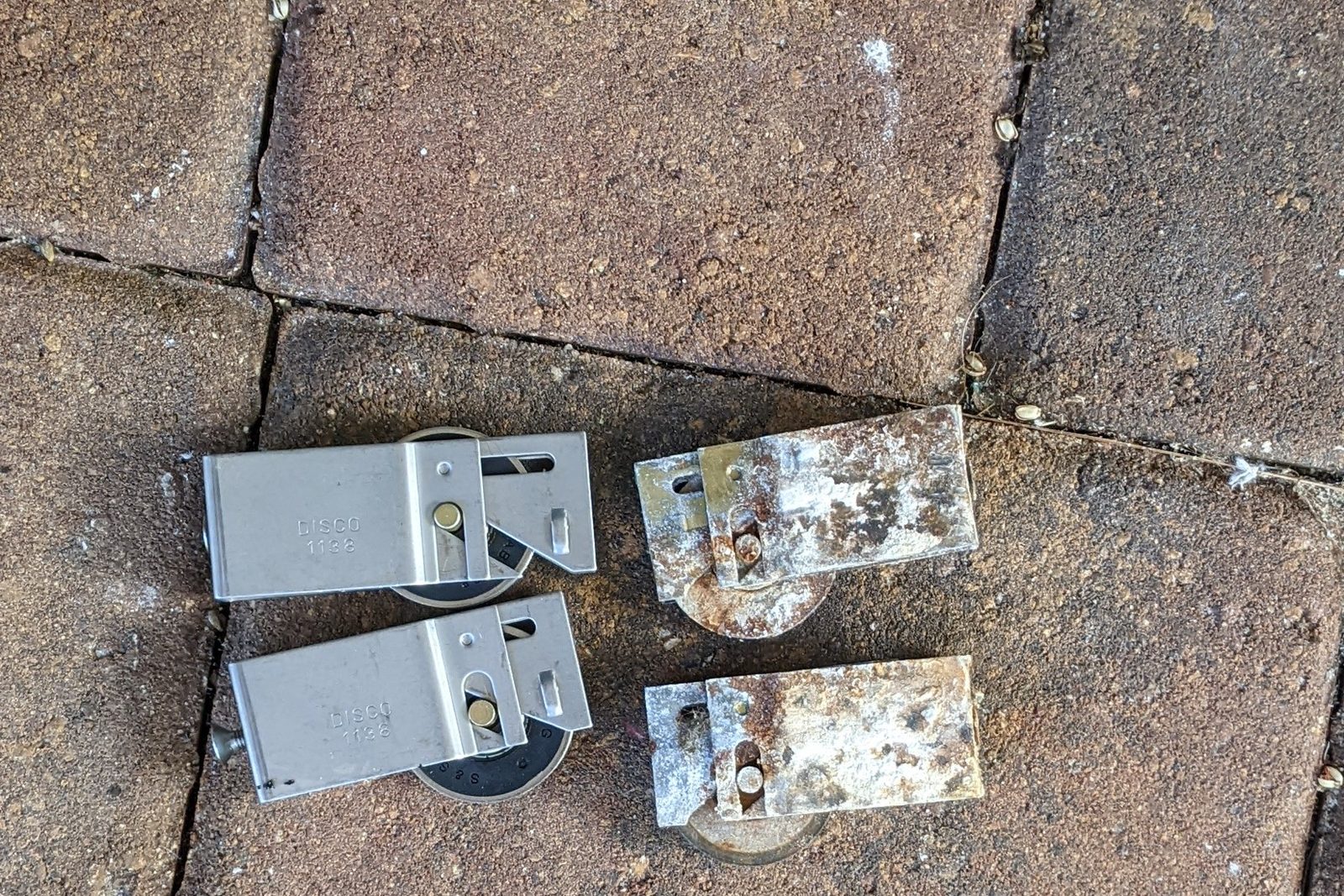
A sliding glass door hard to close but fine to open is the same failure. Closing usually goes first, because as you push the panel toward the jamb the leading roller is carrying most of the weight.
Sliding door drags on the track or scrapes the bottom
When a roller collapses completely, the bottom rail of the panel comes to rest right on the track. Now you're shoving 200 pounds of aluminum across aluminum. Two things happen at once. The door becomes miserable to use, and the track underneath starts getting chewed up, so what should have been a roller job turns into a roller job plus track work.
If you can hear it scraping, use the other side if you have one and get it looked at. Every pass flattens the track a little more.
Sliding door sticks halfway or only opens partway
A door that slides fine and then stops dead at the same spot every time has a track problem, not a roller problem. Something is in the channel at that point. Usually a dent, either from something getting dropped on it or from a collapsed roller riding over that same inch for a couple of years. Sometimes it's grit that's packed in and gone hard.
A dented track doesn't mean a new door. We cap it. A stainless steel cap goes over the damaged section and gives the rollers a clean surface to run on again. It costs a fraction of replacing the frame and it holds up.
Everybody reaches for the WD-40 first, and it usually makes things worse. The lubricant grabs dirt and turns into a grinding paste down in the channel, and it does nothing at all for a bearing that's already dead. You might get two good weeks out of it while the track keeps taking a beating.
Sliding Door Off Track, Crooked, Or Leaning
Sliding door came off track or jumped the track
If the door jumped the track, either a roller broke apart or the lip of the track got bent far enough that the wheel isn't sitting captive anymore. You can lift the panel back in. It'll come out again, usually quicker the second time, because whatever caused it is still there.
This is also where people get hurt. The panels are heavy and awkward, and when one comes free while you're lifting it, it comes toward you. If your door is out of its track, get somebody with the right equipment to set it back.
Sliding glass door crooked, leaning, or gap at the top
Gap opening up at the top corner, or the door looks like it's tilting? The panel isn't square in the frame anymore. Most sliding doors have an adjustment screw at the bottom of each stile that raises and lowers that side on its own. Rollers almost never wear evenly. The leading edge takes more load, so that side drops first.
Sometimes a turn of the screw is all it wants. More often the reason that side dropped is a worn roller, and adjusting a worn roller buys you about a month. New rollers first, then square the panel.
Sliding door won't line up or isn't sitting right
Same cause, different complaint. Once the door stops meeting the jamb square, the interlock doesn't seat and the latch can't reach the keeper. One tired roller is why a customer will call and list three problems that sound unrelated: heavy to slide, won't lock, looks crooked.
Not Sure Which One It Is?
We'll figure it out on site. Rollers, track and locks for the common door brands ride on the truck, so most jobs get finished the same visit.
Call (704) 612-6233 For A Free EstimateSliding Door Making Noise: Grinding, Squeaking, Rumbling
Noise is the cheap stage. A door that's making a racket but still sliding is the easiest door we work on. What you're hearing tells you how far along the rollers are:
- Squeaking. Bearings are dry but still turning. You caught it early.
- Rumbling. Bearings are pitted, or the wheel has flat spots worn into it. The door works, the wheel just isn't round anymore.
- Grinding. Metal on metal. Either the bearing is gone or the panel is riding on the track itself.
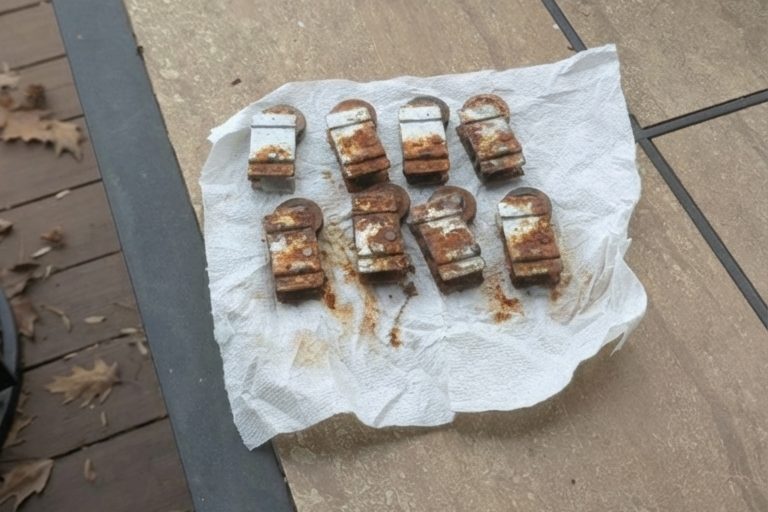
A door that's loud when opening but not yet hard to open is the sweet spot. Do the rollers now and the track is still good. Leave it another six months and you're likely paying for track work on top.
Sliding Glass Door Won't Lock, Latch, Or Stay Closed
Sliding glass door won't lock or patio door won't latch
Two possibilities here, and it's worth knowing which one you have. Either the lock itself has failed inside the stile, a worn mortise body or a broken spring, or the door has settled and the latch just doesn't line up with the keeper plate anymore.
Easy test. Pull the door firmly toward the jamb, or lift it slightly, and turn the latch. If it catches, your problem is alignment and sorting the rollers will bring the lock back. If it still won't catch, the lock hardware is done.
Sliding door won't stay closed
A door that creeps open on its own is out of plumb. It's leaning just enough for gravity to do the rest. That's roller height nearly every time and it's a straightforward fix. Don't sit on it, though. A door that won't stay shut generally won't lock properly either, and that's an exterior door.
The factory latch on a sliding door is about the weakest lock in most houses. If somebody already has the stile apart, that's the cheapest moment to put in a better lock or add an auxiliary one. The labor is already being done.
Should You Repair Or Replace A Sliding Glass Door?
A lot of people get quoted for a whole new door when what they had was a mechanical repair. Here's where the line actually sits.
Repair it when the glass is intact, the frame is square and sound, and what's broken is a moving part. Rollers, track, lock, handle, screen. That covers most of the doors we see, including plenty that somebody else already wrote off.
Replace it when the frame is rotted or structurally damaged, when the seal in the glass has gone and you're tired of the fog between the panes, or when you're upgrading to impact glass anyway.
Age on its own isn't a reason. A twenty-year-old door that's hard to slide needs rollers.
Why Sliding Doors Aren't A Handyman Job
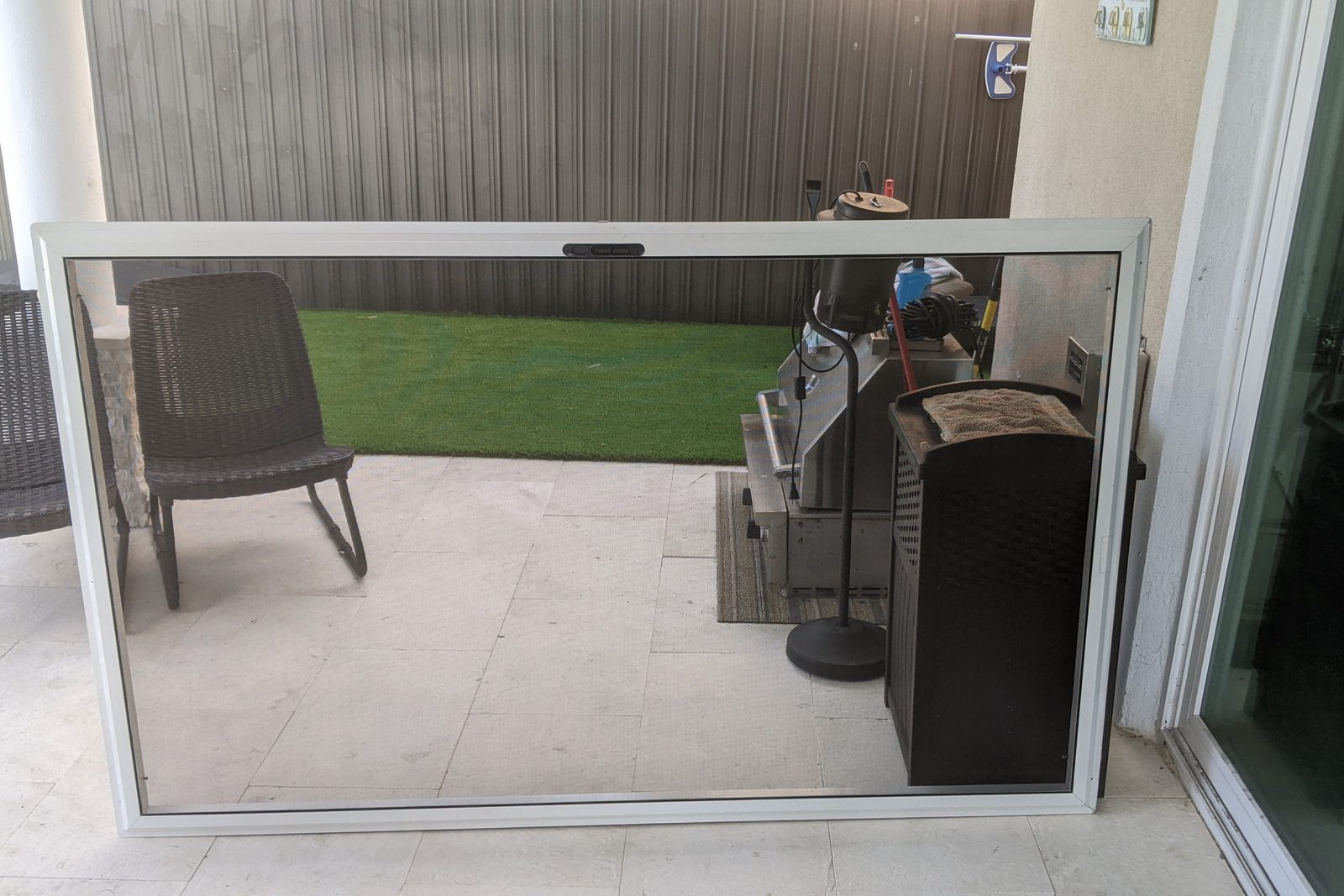
Nothing against handymen. It's a parts and leverage problem. Sliding door hardware was never standardized. Rollers change by manufacturer, by model year, by how much the panel weighs, by frame profile. A generic roller off the shelf at a big box store will often bolt straight in and then fail inside a year, because it was never rated for that panel.
Where that shows up:
- Parts on the truck. Brand-specific rollers, locks and track caps, so it's one visit instead of three.
- Handling the panel. Pulling and reseating 200 pounds of glass takes equipment and practice. This is where most DIY attempts end with a broken panel.
- Track work. A chewed-up track gets capped instead of becoming the reason to sell you a whole new door.
- Diagnosis. Four symptoms usually share one cause. Chasing them separately costs more and fixes less.
Frequently Asked Questions
Why is my sliding glass door hard to open all of a sudden?
Almost always the rollers. They're small wheels carrying a panel that can top 200 pounds, and once the bearings give out the door stops rolling and starts dragging. If it got heavy gradually over weeks or months, that's rollers. If it seized overnight, look for something in the track or a roller that broke apart.
Can a sliding glass door be repaired instead of replaced?
Usually, yes. As long as the glass is intact and the frame is still square, every moving part can be swapped on its own: rollers, track, lock, handle, screen. That runs a fraction of a new door. Replacement is really only necessary when the frame is rotted or damaged, or the glass seal has failed and you want the fogging gone.
How long does sliding glass door repair take?
Figure 45 to 90 minutes for a standard roller job on one door. Track repair adds time depending on how bad the damage is. A lock or handle is usually under an hour. As long as the tech turns up with the right parts, it's a one-visit job.
Why won't my sliding glass door lock anymore?
Either the lock mechanism has failed, or the panel has settled and the latch no longer meets the keeper. If the door also got harder to slide around the same time, it's alignment, and new rollers usually bring the lock back with them.
Is it worth fixing an old sliding glass door?
Age doesn't decide it. Older doors were often built with heavier extrusions than the builder-grade units going in today, and a 25-year-old door with new rollers and a capped track will out-slide a cheap new one. What matters is the frame and the glass, not the year on it.
Still Not Sure What's Wrong?
Plenty of people call and say nothing more than "my sliding door is not working." That's fine. You don't have to diagnose it yourself. Tell us what it's doing, whether it's heavy, noisy, off the track or won't lock, and we'll usually know what to bring before we get there. If your sliding glass door needs repair, two minutes on the phone is normally enough to work out which parts go on the truck.
Get Your Door Sliding Again
Free estimates, same-day appointments where we can, and the work is guaranteed. Charlotte and the surrounding counties.
Call (704) 612-6233